
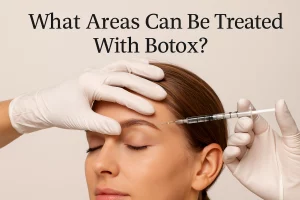
What Areas Can Be Treated With Botox? A Complete Guide to Facial Zones
Botox is one of the most versatile and effective aesthetic treatments available today, and many first-time patients researching Botox want to understand exactly which facial zones can safely be treated. While Botox is known for smoothing wrinkles, each area of the face reacts differently based on muscle strength, skin condition, and anatomy. This guide provides a clear, easy-to-understand breakdown of the most common Botox treatment areas and how they help achieve natural, refreshed results.
Understanding Botox Treatment Zones for Natural Results
Botox works by gently relaxing overactive muscles that create wrinkles during everyday facial expressions. When applied with precision, it softens lines without freezing your expression, maintaining natural movement while reducing visible creases.
Key benefits of targeted Botox application:
- Smoother, younger-looking skin
- Softer expression lines
- Improved facial symmetry
- Long-term wrinkle prevention
- Non-surgical and minimal downtime
Most Common Botox Treatment Areas Explained
Each facial zone requires a specific technique, depth, and dose for the best results. Below is an overview of the most frequently requested areas in aesthetic clinics.
Forehead Lines – Upper Facial Botox Zones
Horizontal forehead lines appear when raising the eyebrows. Botox helps smooth these lines while preserving the ability to express naturally when injected correctly.
Results:
- Softer lines
- Smoother forehead
- Natural brow movement
Frown Lines (“11s”) – Glabella Botox Treatments
Vertical lines between the eyebrows often deepen with stress or squinting. This area responds extremely well to Botox and is one of the top-requested zones.
Results:
- Relaxed, less tense expression
- Reduced harsh creasing
- Balanced upper face
Crow’s Feet – Eye Area Botox Zones
Fine lines at the outer corners of the eyes form due to smiling and squinting. Botox smooths these lines while keeping your smile expressive.
Bunny Lines – Nose Wrinkle Reduction
These appear when scrunching the nose. Botox softens the lines and helps blend this area with the rest of the midface.
Brow Lift Enhancement – Subtle, Non-Surgical Lift
Botox can be used strategically to lift the tail of the eyebrows and open the eye area. Many patients prefer this technique over surgical alternatives.
Lip Flip – Upper Lip Botox Enhancement
Small injections above the lip relax the muscle, allowing the lip to roll outward for a fuller appearance without filler.
Chin Dimpling – Lower Facial Botox Zones
An overactive chin muscle can create a bumpy, “orange peel” texture. Botox smooths and relaxes the area for a more refined appearance.
Masseter Botox – Jaw Slimming & TMJ Relief
Botox in the masseter muscle helps reduce clenching and grinding. It also creates a slimmer, softer facial contour.
Botox Treatment Areas Overview Table
| Botox Treatment Area | Main Benefit | Best Candidates |
|---|---|---|
| Forehead lines | Smooth horizontal lines | Strong eyebrow movement |
| Frown lines | Relax angry/tense appearance | Deep “11s” or strong frown muscles |
| Crow’s feet | Softer eye wrinkles | Frequent squinters or smilers |
| Bunny lines | Smooth nose wrinkles | Visible nose creasing |
| Brow lift | More open eyes | Mild brow heaviness |
| Lip flip | Fuller upper lip | Thin lips without filler |
| Chin dimples | Smooth texture | Orange-peel chin |
| Masseter | Jaw slimming & TMJ | Teeth grinders/clenchers |
How Many Botox Units Are Typically Used Per Area?
Below ranges vary by age, gender, muscle strength, and desired movement:
Average Botox unit ranges:
- Forehead: 8–14 units
- Frown lines: 15–25 units
- Crow’s feet: 5–12 per side
- Bunny lines: 4–8 units
- Chin: 4–10 units
- Lip flip: 4–6 units
- Masseter: 20–40 per side
Note: These are general guidelines, not medical instructions.
The Best Seasons to Get Botox
Chicago’s weather plays a big role in wrinkle formation:
- Dry winter air leads to deeper forehead lines
- Bright summer sun increases squinting
- Wind exposure creates repetitive tension around the eyes
Many patients schedule their Botox:
- At the start of winter
- Before major events
- Every 3–4 months for maintenance
Related Botox Guides for Further Learning
To help you deepen your understanding and make confident decisions about your aesthetic journey, here are three additional educational guides. Each post expands on topics often discussed by patients exploring Botox in West Loop Chicago, giving you clear, well-structured information based on anatomy, safety, and real clinical experience.
Related Posts:
- The Science Behind Botox: How It Works and Why It’s Effective
- Botox Aftercare Tips: What to Do and What to Avoid
- Is Preventative Botox Worth It? Benefits and Ideal Candidates
Get Personalized Botox Recommendations
If you’re considering Botox and want natural, balanced results tailored to your facial anatomy, explore our professional treatment options.
Learn more about our Botox services here: Discover Botox Treatments in West Loop
About the Author
Dr. Emily Carter, RN-BSN — Aesthetic Injector
Dr. Carter has over nine years of experience providing advanced Botox treatments focused on safety, balance, and natural-looking results. She has worked extensively with patients throughout Chicago and the surrounding suburbs, specializing in facial anatomy, precision injection techniques, and subtle rejuvenation tailored to each individual.
